The Future of Work is Here: DAO-Firms and the Automation of Trust
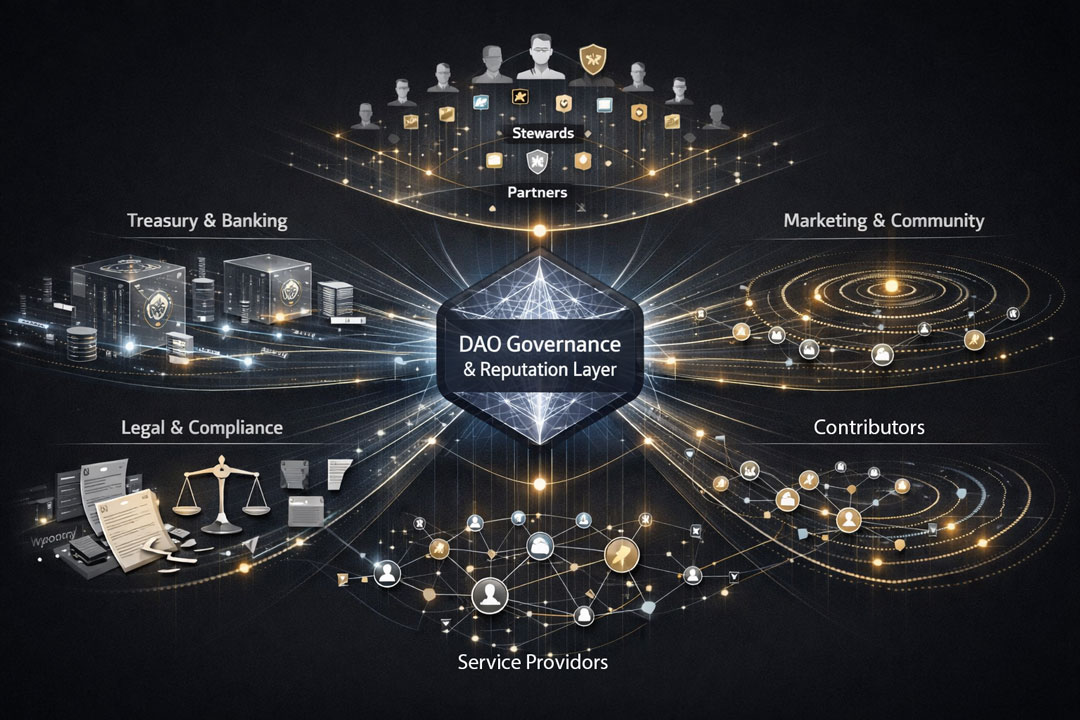
How Decentralized Organizations will Replace Traditional Companies
The disruption isn't just blockchain. It's the automation of trust, coordination, and partnership itself.
Imagine a company where talent earns reputation, reputation earns partnership, and partnership powers execution—all managed by transparent, on-chain systems rather than closed-door boardrooms. Welcome to the world of DAO-Firms: the evolution of Decentralized Autonomous Organizations from experimental collectives into fully operational, networked businesses.
Read the Full Research Paper →
What Makes a DAO-Firm Different?
Traditional companies rely on hierarchies, employment contracts, and centralized control. DAO-Firms flip this model entirely:
- Transparent governance: Every decision, every dollar spent, visible on the blockchain
- Merit-based advancement: Your contributions determine your influence, not your title
- Global talent pools: Work with anyone, anywhere, without traditional employment friction
- Automated trust: Smart contracts handle payments, voting, and coordination
- Flexible partnerships: Earn your way to ownership through proven contributions
As of 2024, over $30 billion sits in DAO treasuries globally, up from $18 billion in mid-2023. This isn't theory—it's happening soon.
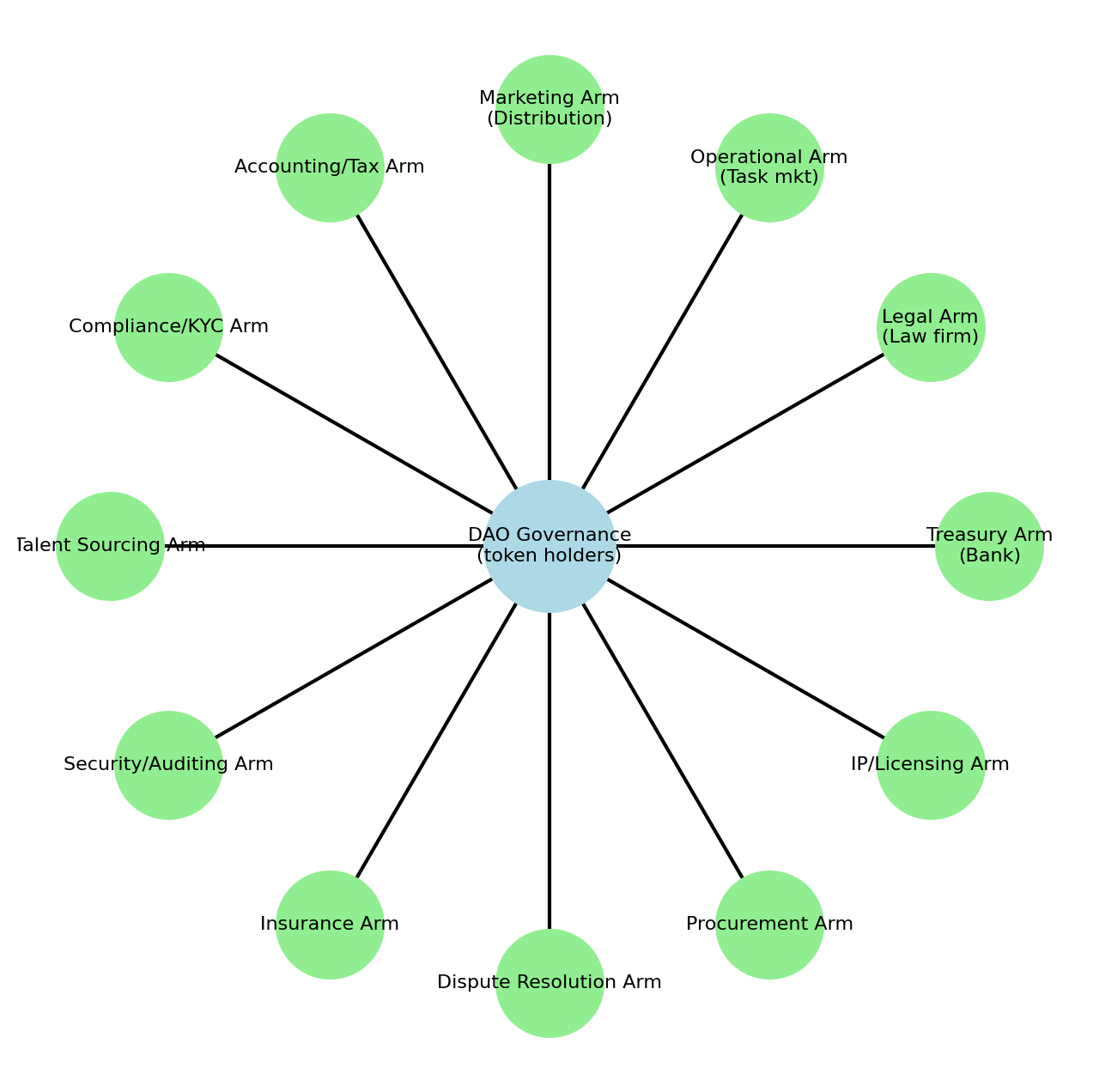
The Architecture: A DAO Has "Arms" Like Departments
Modern DAO-Firms organize into specialized functional units, each handling critical business operations:
🏦 Bank/Treasury Arm
Manages on-chain funds, processes payroll, handles financial risk. Organizations like Uniswap and Aave maintain multi-signature wallets with community-elected finance committees. Every transaction is auditable on the blockchain.
The catch? Treasury volatility. Uniswap's treasury dropped from $12B to $1.8B during the 2022 bear market—driving DAOs to adopt risk mitigation through stablecoin diversification and professional treasury management.
⚖️ Legal Arm
Functions as an embedded decentralized law firm, drafting legal wrappers (LLCs, foundations), ensuring on-chain decisions are legally enforceable. The LAO wrapped itself in a Delaware LLC; dOrg became the first Vermont Blockchain-Based LLC.
This arm defines the path from contributor to legal partner—bridging on-chain reputation with real-world legal roles and fiduciary duties.
⚙️ Operational Arm
A dynamic labor marketplace replacing traditional employment. Coordinates task bounties, working groups, and output-based compensation.
Examples:
- Gitcoin: Open grants and bounties for R&D
- RaidGuild: Freelancer DAO where developers self-organize into project teams, distributing earnings via smart contracts
No fixed payroll. No traditional HR. Just merit-based task assignment and payment.
📢 Marketing/Distribution Arm
Leverages transparency as a marketing asset. Every successful proposal becomes content. Community members become evangelists.
BanklessDAO grew massively through member-created content (newsletters, podcasts). Friends With Benefits (FWB) used reputation-based referrals—new members needed existing member endorsements.
The risk? Public conflicts are also public failures. Smart DAOs turn this into engagement opportunities.
🛡️ Additional Specialized Arms
- Accounting/Tax: On-chain financial reporting and compliance
- Compliance/KYC: Identity verification for regulated activities
- Security/Auditing: Smart contract reviews and risk assessments (critical after hacks like the $600M Axie exploit)
- Dispute Resolution: Internal arbitration, some using decentralized courts like Kleros
- IP/Licensing: Managing collective intellectual property rights
The Social Credit System: How Reputation Replaces Résumés
At the heart of the DAO-Firm model is an on-chain reputation system that tracks contributions, reliability, governance participation, and peer reviews.
How it works:
✅ Complete tasks → Earn reputation points
✅ High reputation → Greater governance influence
✅ Reputation decays if inactive (ensuring active contributors have more say)
✅ Quality matters more than quantity (peer reviews prevent gaming)
Platforms like Colony calculate reputation when users complete tasks. DAOstack gave reputation tokens to early contributors for voting power. Karma aggregates on-chain activities into scores for delegate rankings.
The result? Your blockchain record becomes your résumé. Trust is automated.
The Partner Track: From Contributor to Steward
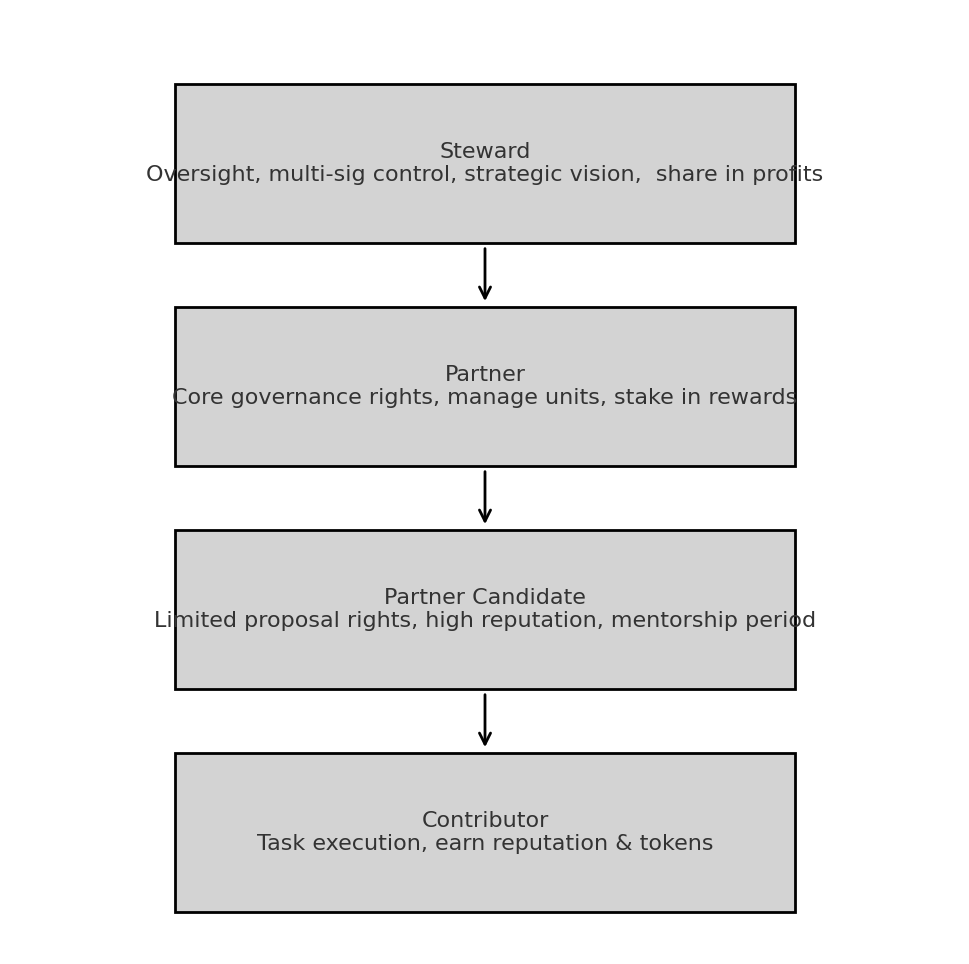
DAO-Firms create a meritocratic hierarchy where advancement is earned through proven contributions:
1. Contributor (Entry Level)
- Entry: Anyone can join and pick up bounties
- Rights: Read access, minimal governance influence initially
- Economics: Paid per task in stablecoins or DAO tokens
- Goal: Build reputation through successful deliveries
2. Partner Candidate (Senior Associate)
- Promotion: Top 10% of contributors by reputation + endorsements
- Rights: Proposal rights, co-lead working groups, stronger vote weight
- Responsibilities: Mentor newcomers, take on critical tasks
- Economics: Monthly stipend + task rewards + token options
3. Partner (Core Decision-Maker)
- Status: Core owners and leaders of DAO arms
- Rights: Multi-sig treasury keys, approve budgets, represent the DAO legally
- Responsibilities: Manage teams, fiduciary duty to the DAO
- Economics: Partner draw + profit share (potentially 20% of revenue distributed among partners)
Real example: LexDAO has fellows/partners who lead projects and receive larger cuts of revenue from legal service dApps.
4. Steward (Board of Directors Level)
- Selection: Long track record + community election
- Rights: Emergency veto power, final sign-off on legal contracts, multi-sig control
- Responsibilities: Protect DAO legitimacy, resolve inter-arm conflicts, legal oversight
- Economics: Fixed stipend or long-term token release (minimizing conflict of interest)
Example: Gitcoin's Steward Council makes high-level budget decisions and ensures mission alignment.
DAO-in-a-Box: Launch a Firm in Weeks
Imagine launching a fully functional DAO-based company as easily as creating a social media account. This is already becoming reality.
A comprehensive DAO-in-a-Box would include:
🔹 Governance Module: Smart contracts for voting, proposals, delegation
🔹 Treasury Module: Multi-sig wallet with payment automation and transparency dashboards
🔹 Legal Wrapper Module: Auto-generate articles of organization, file via API (Wyoming LLC, Tennessee DO, etc.)
🔹 Task Market Module: Built-in job board with escrow and reputation filters
🔹 Reputation System: XP points, soulbound tokens, partner-track automation
🔹 Marketing Tools: Token-gated Discord, referral rewards, public transparency pages
Current tools like Aragon, DAOstack, and DAObox's Harmony Framework are laying this groundwork. By 2027-2030, expect turnkey platforms that compress company formation from months to days.
The Roadmap: 2025-2035
2025: Frameworks and Early Adopters
- Utah's DAO law becomes effective
- At least 500 legally registered DAOs globally
- DAO treasuries cross $50 billion (crypto markets permitting)
- Major legal precedent set in court recognizing DAO LLCs
2026-2027: Tooling Maturity
- DAO-in-a-Box products emerge in beta
- Creative industries embrace DAOs (film production, music collectives)
- Tech companies "DAOify" departments or spin-offs
- Federal DAO framework potentially passes in U.S. Congress
2028-2030: Widespread Integration
- 100,000 DAOs globally
- Traditional consulting firms adopt DAO-like profit-sharing networks
- More than 20 U.S. states with DAO statutes
- Major Fortune 100 company announces DAO transition for a business segment
2031-2035: Full Ecosystem
- City governments use DAO principles for community budgets
- First "DAO IPO" registers tokens as public securities
- Universities certify DAO experience
- AI agents participate in DAOs with their own reputation profiles
Real-World Case Studies
MakerDAO (DeFi)
$7B backing DAI stablecoin. Organized into "core units" for risk, engineering, marketing. Introduced governance stewards and paid delegates to combat voter apathy.
ENS DAO (Web3 Infrastructure)
Governs .eth domain system. Formed Cayman Islands foundation as legal arm, with directors legally obliged to execute DAO decisions.
RaidGuild & dOrg (Consulting)
Developer collectives operating as DAOs. dOrg formalized as Vermont's first BBLLC, showing professional services can be fully decentralized.
BanklessDAO (Media)
Produces newsletters, podcasts, courses through guild structure. Transparent operations became their marketing asset, growing to thousands of members.
VitaDAO (Non-Profit)
Funds longevity research with tokenized IP rights. Used Swiss association to hold patents on behalf of the DAO.
Legal Frameworks: Where Can You Actually Register a DAO?
🏔️ Wyoming DAO LLC (First mover, July 2021)
Capabilities:
- Limited liability for members
- Algorithmically managed via smart contracts
- No fiduciary duty by default (waived unless specified)
Limitations:
- Requires registered agent and one natural person
- Auto-dissolution after 1 year of inactivity (must vote to stay alive)
Citation: Wyoming Statutes §§17-31-101 to 17-31-116
🎸 Tennessee DAO LLC (April 2022)
Capabilities:
- Similar to Wyoming: limited liability, smart-contract-managed
- Must publicly disclose smart contract address
- No fiduciary duty except implied good faith
Limitations:
- Must include "DAO" or "DO" in legal name
- One-year inactivity dissolution clause
Citation: Tennessee Code Annotated §48-250-101 et seq
🍁 Vermont Blockchain-Based LLC (2018)
Capabilities:
- Any LLC can become "blockchain-based"
- Operating agreement can reference blockchain for authoritative records
- Flexible for various blockchain uses
Limitations:
- Less DAO-specific than WY/TN
- Still needs traditional LLC structure with identifiable members
- Annual reports on blockchain use required
Citation: Vermont Statutes Title 11, Chapter 25, Subchapter 12
Other jurisdictions: Marshall Islands (non-profit DAO LLCs), Utah (Limited Liability DAOs), Switzerland (foundations), Cayman Islands (foundations for DeFi)
The Risks and How to Mitigate Them
⚠️ Governance Capture
Risk: Whales or coordinated groups accumulate voting power, steering DAO for personal benefit.
Mitigations:
- Quadratic voting to reduce token-weight dominance
- Reputation-weighted voting (can't buy reputation instantly)
- Time-locked tokens (prevent flash takeovers)
- Steward Council veto for malicious proposals
- "Rage quit" mechanisms (exit with your treasury share)
⚠️ Reputation Gaming
Risk: Members spam low-value tasks or collude to boost each other's scores.
Mitigations:
- Diminishing returns on repetitive tasks
- Peer review requirements before reputation grants
- Sybil resistance through identity verification (BrightID, Gitcoin Passport)
- Outcome-based metrics over activity counts
⚠️ Regulatory Crackdowns
Risk: DAOs classified as unregistered securities, or members held as general partners with unlimited liability.
Key case: Sarcuni v. bZx DAO (California court treated token holders as general partners)
Mitigations:
- Legal wrappers (LLC, foundation) to limit member liability
- KYC/AML compliance for regulated activities
- Split model: decentralized protocol + compliant front-end entity
- Legal defense funds and D&O insurance for Stewards
- Policy engagement and lobbying
⚠️ Smart Contract Hacks
Notable incidents:
- 2016: The DAO hack ($60M stolen)
- 2021: BadgerDAO ($120M)
- 2022: Axie Infinity ($600M)
Mitigations:
- Multi-firm security audits and formal verification
- Generous bug bounties ($1M+ for critical finds)
- Multi-sig wallets and timelock contracts
- Segmented treasuries (operational vs. long-term funds)
- Insurance coverage (Nexus Mutual)
Required Talent: The Roles That Make It Work
Building a DAO-Firm requires unique skill combinations:
Reputation Engineers
Design the social credit algorithms, tune weights, prevent gaming. (Part data scientist, part game theorist)
Treasury Stewards
CFO-equivalents managing budgets, asset allocation, risk. Publish monthly financial reports.
Legal-DAO Integrators
Web3 lawyers ensuring on-chain votes translate to enforceable contracts. Navigate multi-jurisdiction compliance.
Ops Partners
Project managers coordinating decentralized teams without traditional authority. Rely on influence and clear processes.
Growth Loop Architects
Design referral programs, ambassador campaigns, token incentives. Turn community into marketing engine.
Smart Contract Developers
Build and maintain governance contracts, multi-sigs, custom logic. The technical foundation.
Security Auditors
Review code changes, monitor suspicious activity, educate on personal security.
Community Stewards
Moderate forums, onboard newcomers, maintain healthy discourse. Culture keepers.
The Bottom Line: Firms Are Becoming Firm-Factories
By 2035, DAOs may be as ubiquitous as LLCs are today. The shift isn't just technological—it's philosophical:
✅ From closed hierarchies to open meritocracies
✅ From fixed employment to fluid contribution
✅ From trust-through-titles to trust-through-blockchain
✅ From local talent to global networks
✅ From opaque finances to radical transparency
The definition of a "firm" is expanding. No longer just legally incorporated hierarchies, but fluid, self-governing networks capable of rallying talent and capital with minimal friction and maximal alignment.
Anyone can be contributor, owner, and customer simultaneously—earning trust and returns through participation rather than title.
Want the Full Technical Deep-Dive?
This overview scratches the surface. The complete research paper includes:
- Detailed legal citations for Wyoming, Tennessee, and Vermont statutes
- Case law analysis (Sarcuni v. bZx, CFTC v. Ooki DAO)
- Mathematical confidence scores for each prediction
- 110 academic and industry sources
- Failure mode analysis with specific mitigation strategies
- Industry vertical breakdowns (DeFi, legal tech, creative services)
📄 Read the Complete 28-Page Research Paper
The automation of trust isn't coming—it's already here. The question is: will you be an early adopter or a late follower?
Share This Post
Get New Posts on WhatsApp
Subscribe to receive articles directly in WhatsApp — no spam, unsubscribe anytime.
💬 Join the Discussion
Have thoughts on this article? Share them below! Sign in with your GitHub account to leave a comment.
More Posts
View All Posts
Had You Heard of Notion? Have You Used It? It is the early shape of the cognitive work
Discover the true power of Notion as an all-in-one collaborative workspace platform. Learn how it revolutionizes knowled...
Mini Nuclear Reactors (SMRs): Deep Dive into Key Players, Tech & Market Trends
Small modular reactors (SMRs) and microreactors – essentially “mini” nuclear power plants – are gaining momentum as a ca...

AI Acceleration, Power Race, and Societal Shock Risk - Part 1: Short-Term Vision
The full unabridged deep research report - Part 1, Short-Term Vision: AI acceleration, the power race, and societal shoc...
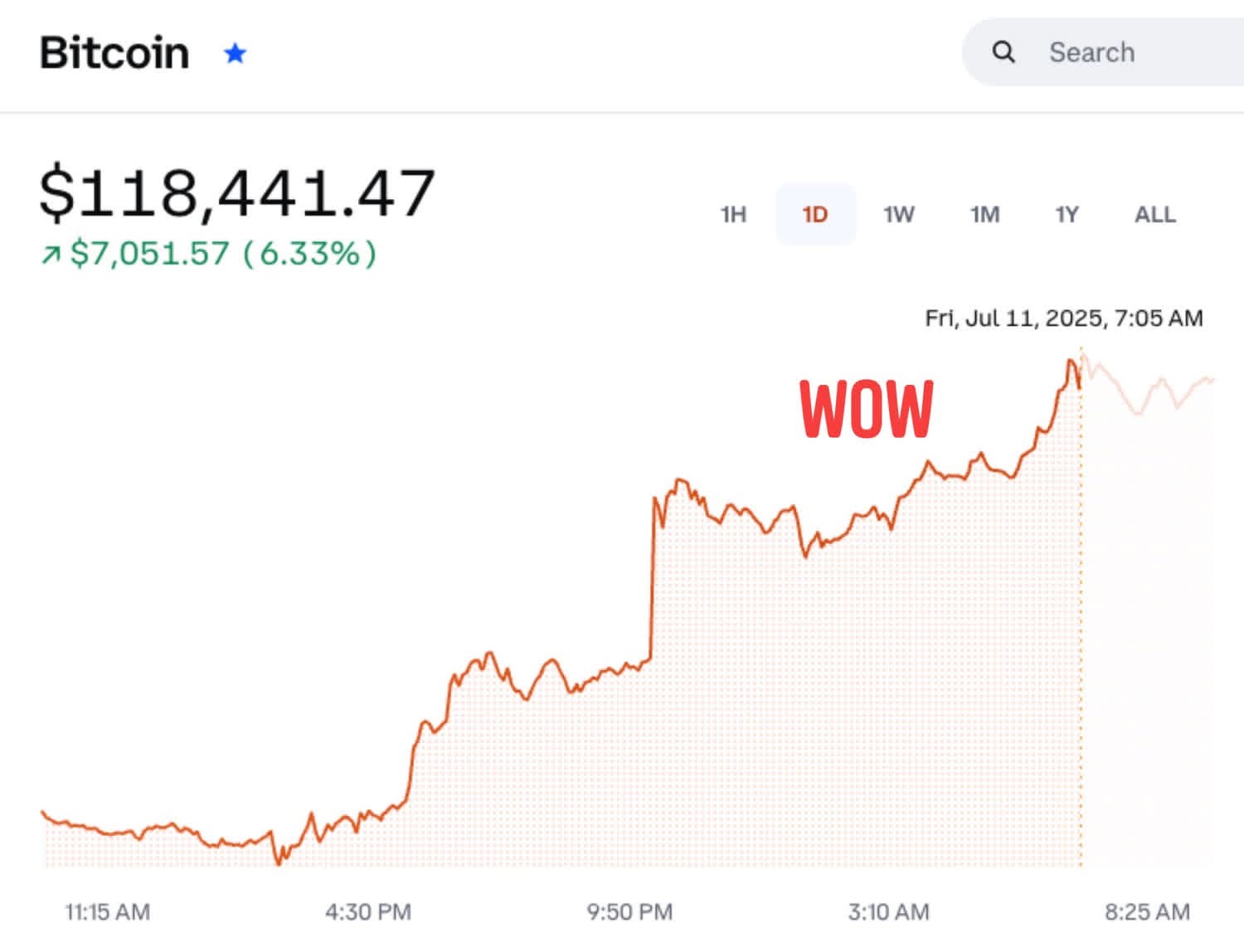
Bitcoin’s 24‑Hour Price Explosion: Decoding the Breakout and the Road Ahead
Discover the reasons behind Bitcoin's 24-hour price explosion to a new all-time high of $118,500. Explore the market ana...

Bitcoin to $700K: The Path to an Unprecedented Financial Milestone
Explore the potential of Bitcoin to reach $700K and its impact on the financial world. Learn about key factors driving B...
The Rise of the AI University: A Bold Vision for $5K Learning
Discover the future of education with AI-driven, self-paced learning. Earn a fully accredited certification for just $5...